
Is Glow Sticks and Glow Jewelry Toxic to Cats?
Glow sticks contain dibutyl phthalate, a bitter-tasting liquid that causes immediate intense burning, drooling, and distress in cats. Cats are attracted to glow sticks and often bite into them. While rarely life-threatening, the reaction is dramatic and extremely painful. If you suspect your cats has ingested glow sticks and glow jewelry, contact your veterinarian or nearest emergency vet clinic immediately.
✓ You're doing the right thing by checking — Glow Sticks and Glow Jewelry is toxic to cats, and acting quickly can make a real difference. You did the right thing by looking this up.
If Your Pet May Have Ingested Something Toxic
Contact your veterinarian or nearest emergency vet clinic immediately. Do not wait for symptoms to appear — early intervention significantly improves outcomes.
| Toxic? | Severity | Time to Onset | Commonness | Urgency |
|---|---|---|---|---|
| Yes | Mild | Immediate (seconds to minutes) | Common (seasonal — Halloween, concerts) | Urgent |
The Toxic Principle
The dangerous compound in Glow Sticks and Glow Jewelry is Dibutyl phthalate (DBP).
Glow sticks contain dibutyl phthalate (DBP), a chemical with an intensely bitter taste that causes immediate mucosal irritation. The liquid also contains a fluorescent dye. While DBP has low systemic toxicity, the local reaction is severe: intense oral pain, profuse drooling, gagging, and retching. Cats who bite into glow sticks often panic from the pain and taste, leading to hyperactivity and agitation. The dye is non-toxic but temporarily stains fur and mouth a bright color.
How Much Is Dangerous?
The risk depends on your cats's weight and the amount ingested.
| Pet Weight | Dangerous Amount | Expected Severity |
|---|---|---|
| Any size cat | A few drops from a punctured glow stick | Mild |
| Any size cat | Ingestion of entire glow stick contents | Moderate |
| Any size cat | Eye exposure to glow liquid | Moderate |
Symptoms to Watch For
Symptoms of glow sticks and glow jewelry poisoning in catss typically progress through these stages:
Immediate
Seconds to minutes- Intense drooling
- Pawing at mouth
- Gagging and retching
- Head shaking
- Bitter taste reaction
Short-term
30 min - 2 hours- Hyperactivity or agitation
- Vomiting
- Refusing food or water
- Mouth irritation
Recovery
2-6 hours- Gradual resolution
- Possible mild GI upset
- Dye staining of fur

You just learned the symptoms. Now be ready for them.
The #1 regret pet owners have after an emergency? "I wish I'd been prepared."
You care enough to research this — that puts you ahead of most pet owners. But research without preparation is just worry. This guide covers exactly what to do in the first 15 minutes after poisoning — the window that determines whether your cats lives or dies.
Get the First Aid Guide — Protect Your Cats →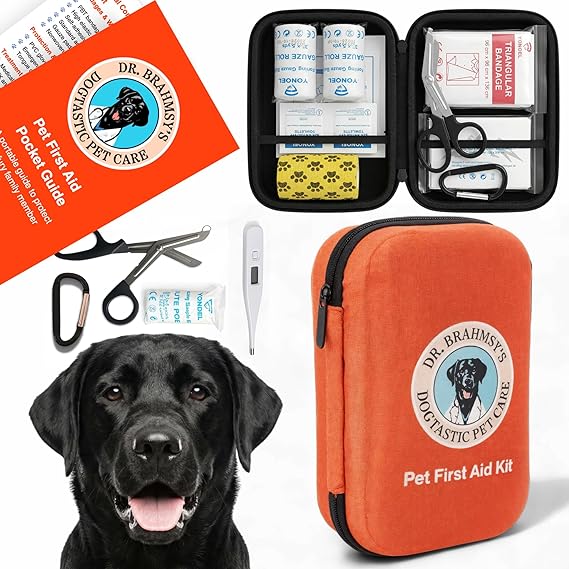
Be Ready If This Happens to Your Cats
You just read what glow sticks and glow jewelry does to catss. The symptoms. The suffering. The $0–$300 vet bill. The question is: are you prepared if it happens again?
Get the Emergency Kit — Be Ready →What to Do Right Now
- 1 Rinse your cats mouth immediately with water or milk — this dilutes the chemical.
- 2 Offer your cat milk, tuna water, or wet food to help wash the bitter taste away.
- 3 Wipe any glow liquid off your cats fur with a damp cloth.
- 4 If liquid got in your cats eyes, flush with saline or water for 5 minutes.
- 5 Call your vet if drooling persists more than an hour or if vomiting continues.
- 6 Keep glow sticks and glow jewelry away from cats, especially during holidays.
Treatment and Recovery
Most cases resolve with at-home decontamination: oral rinsing and offering palatable food or milk. The bitter taste causes intense but temporary discomfort. Veterinary care is rarely needed unless vomiting is persistent, the cat is not eating, or eyes were exposed. In rare cases of large ingestion, IV fluids and anti-nausea medication may be needed.
Estimated Cost
$0 – $300
💰 Vet bills like this can bankrupt a family. Pet insurance covers poisoning emergencies.
Compare Pet Insurance Plans →$0
minimum vet bill
A basic first aid kit costs a fraction of an emergency vet visit
Having basic first aid supplies and an emergency reference on hand is something most veterinary professionals recommend.
Get the Kit — →
Why Glow Sticks and Glow Jewelry Is Dangerous for Cats
Cats are especially vulnerable to glow sticks and glow jewelry because they have a significantly smaller body mass and a liver that metabolizes certain compounds differently than humans or dogs. The toxic principle — Dibutyl phthalate (DBP) — may accumulate in a cat's system more quickly than in larger animals. Symptoms typically begin within Immediate (seconds to minutes) of ingestion.
Glow sticks contain dibutyl phthalate (DBP), a chemical with an intensely bitter taste that causes immediate mucosal irritation. The liquid also contains a fluorescent dye. While DBP has low systemic toxicity, the local reaction is severe: intense oral pain, profuse drooling, gagging, and retching. Cats who bite into glow sticks often panic from the pain and taste, leading to hyperactivity and agitation. The dye is non-toxic but temporarily stains fur and mouth a bright color.
Other Substances to Watch For
If your cats got into glow sticks and glow jewelry, be aware of these related hazards that often appear in the same contexts:
Frequently Asked Questions
Are glow sticks toxic enough to kill a cat?
Glow sticks are rarely life-threatening. The chemical inside causes intense pain and distress but has low systemic toxicity. The main risk is from prolonged vomiting leading to dehydration, or aspiration of vomit.
Why are cats attracted to glow sticks?
Cats are attracted to the smooth texture, size, and often the glow itself. Glow sticks move like prey when batted. The risk is highest during Halloween and at concerts or festivals.
My cats mouth is glowing — is that dangerous?
The fluorescent dye in glow sticks is non-toxic and the glow will fade. Rinse the mouth and offer food or milk. The glowing is cosmetic, not a sign of dangerous radiation.
People Also Ask
One more thing to check
Many cats owners who worry about glow sticks and glow jewelry also need to know about Are Essential Oils Toxic to Cats?. If your cats had access to glow sticks and glow jewelry, they may have been exposed to other hazards too.
Related Dangers
🛒 Recommended for Every Pet Owner

Sources & Citations
Toxicity data is based on published veterinary toxicology references. In an emergency, contact your veterinarian or nearest emergency vet clinic immediately.
📚 Sources & Methodology
Toxicity data compiled from the following veterinary toxicology databases:
- • ASPCA Animal Poison Control Center — case data and species-specific toxicity ratings
- • Pet Poison Helpline — dosage threshold data and symptom timelines
- • Merck Veterinary Manual — clinical treatment protocols
Weight-based severity thresholds are calculated using established veterinary toxicology formulas. All "toxic" and "non-toxic" classifications are based on peer-reviewed veterinary literature. Last reviewed: May 2026.
Medical Disclaimer: The information on this page is for educational purposes only and is not a substitute for professional veterinary advice. If you suspect your pet has been poisoned, contact your veterinarian or nearest emergency vet clinic immediately. This page was last reviewed on 2026-05-22.
Sable T. Thornwood
Pet Toxicity Researcher
Sable T. Thornwood has spent over a decade researching pet toxicity and companion animal safety, with a focus on common household substances, plants, and foods. Her research draws on veterinary toxicology databases, ASPCA case records, and peer-reviewed clinical literature to help pet owners make informed, timely decisions during potential poisoning events.
About Sable & PetToxCheck