
Is It Toxic to Dogs?
Complete, vet-reviewed guide to foods, plants, household items, and medications that are toxic to dogs. Each entry includes symptoms, treatment, costs, and what to do right now.
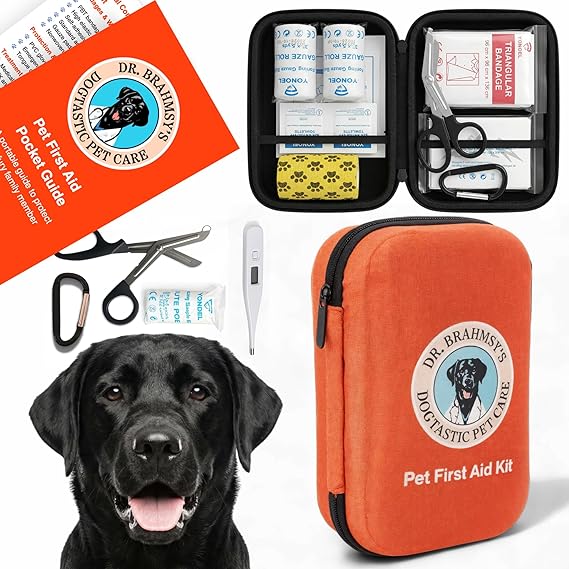
Most Pet Owners Keep One at Home
This first aid kit includes supplies commonly recommended by veterinary professionals for home use.
Get the Dr Brahmsy's 45-Piece Pet First Aid Kit →🍎 Foods & Drinks
Chocolate
SevereChocolate contains theobromine and caffeine, both methylxanthines that are toxic to dogs. Dogs metabolize theobromine far more slowly than humans. The…
Grapes and Raisins
Potentially FatalGrapes and raisins can cause acute kidney failure in dogs. The toxic principle is still not fully identified, and there is no known safe dose — even a…
Onions and Garlic
SevereOnions, garlic, chives, and leeks (the Allium family) contain N-propyl disulfide and other thiosulfates that damage red blood cells in dogs, causing h…
Xylitol (Birch Sugar)
Potentially FatalXylitol is extremely toxic to dogs. It causes a rapid, severe drop in blood sugar (hypoglycemia) and can lead to irreversible liver failure. Even smal…
Avocado
MildAvocado contains persin, a fungicidal toxin that is dangerous to many animals. While dogs are more resistant than some species, avocado can still caus…
Macadamia Nuts
ModerateMacadamia nuts are toxic to dogs and cause a characteristic syndrome of weakness, depression, vomiting, ataxia (stumbling), tremors, and hyperthermia.…
Caffeine (Coffee/Tea)
SevereCaffeine is toxic to dogs and causes similar effects to chocolate poisoning (both are methylxanthines). Symptoms include restlessness, rapid breathing…
Alcohol
SevereAlcohol is toxic to dogs and can cause dangerous drops in blood sugar, blood pressure, and body temperature. Dogs are far more sensitive to alcohol th…
Yeast Dough
SevereRaw yeast dough is dangerous for dogs in two ways: the dough expands in the warm stomach causing potentially life-threatening bloating or rupture, and…
Salt (Sodium Chloride)
SevereLarge amounts of salt are toxic to dogs and can cause sodium ion poisoning. This leads to brain swelling, seizures, and death. Common sources include …
Garlic Bread
ModerateGarlic bread is toxic to dogs due to its garlic and onion content, which cause oxidative damage to red blood cells leading to hemolytic anemia. The bu…
Essential Oils (Tea Tree, Eucalyptus, Pennyroyal, Wintergreen, Clove)
SevereMany essential oils are toxic to dogs, especially in concentrated form. Tea tree, eucalyptus, pennyroyal, wintergreen, and clove oils can cause neurol…
Coffee Grounds and Coffee Beans
ModerateUsed coffee grounds and coffee beans contain concentrated caffeine that is toxic to dogs. Dogs that raid the trash for coffee grounds can ingest dange…
Chocolate Chip Cookies
SevereChocolate chip cookies combine two dangers: chocolate (theobromine) and often xylitol or raisins. Even a few cookies can be toxic to dogs.…
Grapes (Fresh)
CRITICAL — Life-ThreateningFresh grapes are just as toxic as raisins to dogs and cats. The exact toxic principle remains unknown but can cause acute kidney failure even in small…
🌿 Plants & Flowers
Sago Palm
Potentially FatalAll parts of the Sago Palm are highly toxic to dogs, with the seeds (nuts) being the most concentrated source of toxin. Ingestion causes severe liver …
Daffodil Bulbs
SevereDaffodil bulbs contain lycorine, a toxic alkaloid that causes severe vomiting, diarrhea, and in serious cases, heart rhythm abnormalities and seizures…
Lily of the Valley
CRITICAL — Life-ThreateningLily of the valley contains cardiac glycosides similar to digitalis. All parts of the plant are toxic, and even small amounts can cause fatal heart ar…
Pothos (Devil's Ivy)
ModeratePothos contains insoluble calcium oxalate crystals that can cause oral irritation, excessive drooling, vomiting, and difficulty swallowing in dogs. Mo…
Aloe Vera
ModerateAloe vera contains saponins and anthraquinones that can cause vomiting, diarrhea, lethargy, and changes in urine color in dogs. The latex portion unde…
🏠 Household Items
Antifreeze (Ethylene Glycol)
Potentially FatalAntifreeze is one of the most dangerous toxins your dog can encounter. Ethylene glycol has a sweet taste that attracts animals, and even tiny amounts …
Rat Poison (Bromethalin)
Potentially FatalRat poison containing bromethalin is extremely dangerous to dogs. It causes swelling of the brain (cerebral edema) and neurological damage. There is N…
💊 Medications & Drugs
Ibuprofen (Advil)
Potentially FatalIbuprofen is highly toxic to dogs and is one of the most common causes of pet poisoning. Even one pill can cause stomach ulcers, kidney failure, and n…
Marijuana (Cannabis)
ModerateMarijuana is toxic to dogs, and pets are far more sensitive to THC than humans. Ingestion of cannabis edibles, buds, or butter can cause incoordinatio…
Peanut Butter (Xylitol Risk)
Potentially FatalMost peanut butter is safe for dogs in moderation, but some brands contain xylitol (birch sugar) which is extremely toxic and can cause fatal liver fa…
Tylenol (Acetaminophen)
SevereTylenol (acetaminophen) is toxic to dogs and can cause liver failure and damage to red blood cells (methemoglobinemia). While dogs tolerate it slightl…
Slugs and Snails (Lungworm)
Potentially FatalSlugs and snails can carry the lungworm parasite (Angiostrongylus vasorum), which can be fatal to dogs. Dogs become infected by eating slugs or snails…
Nutmeg
ModerateNutmeg contains myristicin, a compound that causes hallucinations, seizures, and potentially fatal nervous system depression in dogs. Even small amoun…
Rhubarb
SevereRhubarb leaves contain extremely high levels of oxalates, which can cause kidney failure in dogs. The stalks are less toxic but can still cause gastro…
Raw Salmon (Salmon Poisoning)
Potentially FatalRaw or undercooked salmon, trout, and other Pacific Northwest fish can contain a parasite (Nanophyetus salmincola) that carries a deadly rickettsial o…
Pennies (Zinc Toxicity)
SevereU.S. pennies minted after 1982 are 97.5% zinc with a copper coating. When a dog swallows pennies, stomach acid dissolves the zinc, releasing toxic lev…
Moldy Food (Tremorgenic Mycotoxins)
SevereMoldy or spoiled food — especially walnuts, cheese, bread, and compost — contains tremorgenic mycotoxins produced by Penicillium and Aspergillus molds…
Batteries (Alkaline and Lithium)
SevereBatteries contain corrosive alkaline or acidic chemicals that cause severe burns to the mouth, esophagus, and stomach. Lithium button batteries (watch…
Vitamin D (Supplements and Rodenticide)
SevereVitamin D toxicity in dogs causes dangerously high calcium levels, leading to kidney failure, soft tissue mineralization, and potentially death. Sourc…
Tomato Plant (Leaves and Stems)
ModerateTomato plants (leaves, stems, and unripe green tomatoes) contain tomatine and solanine, glycoalkaloids that are toxic to dogs. Ripe red tomatoes conta…
Cooked Bones
SevereCooked bones splinter easily and can puncture your dogs digestive tract, causing life-threatening internal bleeding, peritonitis, or intestinal blocka…
Spinach
MildSpinach contains high levels of oxalates, which can cause kidney damage in dogs, especially with repeated feeding. While a small amount of cooked spin…
Blue-Green Algae (Cyanobacteria)
Potentially FatalBlue-green algae blooms in ponds, lakes, and stagnant water produce potent neurotoxins and hepatotoxins that can kill a dog within hours. Just a few m…
Silica Gel Packets (Desiccant Packets)
MildSilica gel packets found in shoe boxes, food packaging, and medication bottles are generally low toxicity, but can cause gastrointestinal upset. The m…
Apple Seeds
ModerateApple seeds contain amygdalin, which releases cyanide when chewed and digested. A large quantity could be fatal, but a few seeds from a single apple a…
Cherry Pits
SevereCherry pits contain amygdalin which releases cyanide. One or two pits are unlikely to harm a large dog, but multiple crushed pits can be fatal to smal…
Peach Pits
SeverePeach pits contain amygdalin which releases cyanide when chewed. They are also a choking and intestinal blockage hazard.…
Apricot Pits
CRITICAL — Life-ThreateningApricot pits contain the highest concentration of amygdalin of any stone fruit. Even a few chewed pits can release dangerous amounts of cyanide.…
Detergent Pods (Laundry/Dishwasher)
CRITICAL — Life-ThreateningLaundry and dishwasher detergent pods contain concentrated chemicals that cause severe chemical burns to the mouth, throat, and digestive tract. They …
Bleach
SevereHousehold bleach (sodium hypochlorite) causes severe chemical burns to the mouth, throat, and stomach. Inhalation of fumes can damage the respiratory …
Drain Cleaner
CRITICAL — Life-ThreateningDrain cleaners contain extremely corrosive sodium hydroxide (lye) or sulfuric acid. Even small amounts cause severe chemical burns and can be fatal.…
Compost and Mulch Piles
SevereDecomposing organic matter in compost piles produces tremorgenic mycotoxins and toxic molds that cause seizures, tremors, and potentially fatal neurol…
Eucalyptus (Plant and Oil)
SevereEucalyptus contains eucalyptol which is toxic to both dogs and cats. The essential oil is especially dangerous — even a few drops can cause severe poi…
Foxglove
CRITICAL — Life-ThreateningFoxglove contains digitalis, a powerful heart medication that is lethal in overdose. Even small amounts can cause fatal heart arrhythmias in pets.…
Oleander
CRITICAL — Life-ThreateningOleander is one of the most toxic garden plants in the world. All parts are poisonous — even water from a vase containing oleander can be lethal.…
Hydrangea
ModerateHydrangea contains cyanogenic glycosides, similar to apple seeds and cherry pits. The flower buds and leaves are most toxic and can release cyanide wh…
Jade Plant
MildJade plants are mildly to moderately toxic to dogs and cats, causing vomiting, depression, and incoordination. The exact toxic principle is not fully …
Amaryllis
SevereAmaryllis bulbs contain lycorine and other toxic alkaloids that cause severe gastrointestinal distress, tremors, and potentially fatal seizures in pet…
Poinsettia
MildPoinsettias are only mildly toxic to pets. They contain a milky sap that irritates the mouth and stomach, but serious poisoning is extremely rare.…
Snake Plant (Sansevieria)
MildSnake plants contain saponins that cause gastrointestinal upset in pets. Symptoms are usually mild but can include vomiting, diarrhea, and lethargy.…
Xylitol Gum
CRITICAL — Life-ThreateningXylitol gum is extremely dangerous for dogs. Even 1-2 pieces of xylitol-sweetened gum can cause fatal hypoglycemia and liver failure in small dogs.…
Nut Butter (Xylitol Risk)
CRITICAL — Life-ThreateningSome nut butters are sweetened with xylitol, which is extremely toxic to dogs. Always check labels before giving any nut butter to your dog.…
Ice Cream (Xylitol/Lactose)
ModerateIce cream can contain xylitol (in sugar-free varieties), chocolate, raisins, or macadamia nuts. Even plain ice cream causes diarrhea from lactose in m…
Edible Marijuana (Weed Edibles)
CRITICAL — Life-ThreateningMarijuana edibles are extremely dangerous for dogs. THC is highly toxic to them, and the chocolate/raisin bases in many edibles add additional toxicit…
Peony (Paeonia)
MildPeonies contain paeonol, which can cause gastrointestinal upset in dogs. Ingestion of leaves, stems, or flowers may cause vomiting, diarrhea, and depr…
English Ivy
ModerateEnglish ivy contains triterpenoid saponins that can cause vomiting, abdominal pain, excessive drooling, and diarrhea in dogs when the leaves or berrie…
Monstera (Swiss Cheese Plant)
ModerateMonstera contains insoluble calcium oxalate crystals that cause immediate oral pain, excessive drooling, vomiting, and difficulty swallowing in dogs. …
Rubber Plant (Ficus Elastica)
MildRubber plants contain proteolytic enzymes and psoralen compounds that can cause oral irritation, vomiting, and diarrhea in dogs. The sap can also caus…
How to Protect Your Dogs from Poisoning
- Keep all toxic foods, plants, and medications stored securely out of reach.
- Read ingredient labels carefully — xylitol (birch sugar), onion powder, and garlic powder are hidden in many foods.
- Research every plant before bringing it into your home or garden.
- Never give your dogs human medication without veterinary approval.
- Know where your nearest 24-hour emergency vet clinic is — before you need it.
- Keep a pet first aid kit at home with bandages, antiseptic, and a first aid guide for emergencies.