
Is Milk and Dairy Products Toxic to Cats?
Most adult cats are lactose intolerant. Despite the popular image of cats lapping up saucers of milk, dairy products cause diarrhea, vomiting, and abdominal pain in the majority of cats. Kittens produce lactase enzyme to digest their mothers milk, but production drops sharply after weaning.
✓ You were right to verify — better safe than sorry when it comes to your cats. Milk and Dairy Products is not considered toxic, but always monitor for any unusual behavior.
If Your Pet May Have Ingested Something Toxic
Contact your veterinarian or nearest emergency vet clinic immediately. Do not wait for symptoms to appear — early intervention significantly improves outcomes.
| Toxic? | Severity | Time to Onset | Commonness | Urgency |
|---|---|---|---|---|
| No | Mild | 8-12 hours | Very common | Low |
The Toxic Principle
The dangerous compound in Milk and Dairy Products is Lactose (milk sugar).
Lactose requires the enzyme lactase to be properly digested. Most cats lose the ability to produce sufficient lactase after weaning (around 8-12 weeks of age). Undigested lactose passes into the large intestine where bacteria ferment it, producing gas, lactic acid, and drawing water into the bowel. This causes diarrhea, bloating, and abdominal discomfort. High-fat dairy products (cream, butter, cheese) can also trigger pancreatitis in susceptible cats.
How Much Is Dangerous?
The risk depends on your cats's weight and the amount ingested.
| Pet Weight | Dangerous Amount | Expected Severity |
|---|---|---|
| Any size cat | A few tablespoons of milk | Mild |
| Any size cat | A saucer of milk (1/4 cup) | Moderate |
| Any size cat | Large amounts of cream or ice cream | Moderate |
| Any size cat | Small amount of hard cheese | Safe |
Symptoms to Watch For
Symptoms of milk and dairy products poisoning in catss typically progress through these stages:
Mild
8-12 hours- Loose stool
- Mild diarrhea
- Flatulence
- Mild abdominal discomfort
Moderate
12-24 hours- Profuse watery diarrhea
- Vomiting
- Bloating
- Loss of appetite
Severe (rare)
24-48 hours- Severe dehydration
- Pancreatitis (from high-fat dairy)
- Lethargy

You just learned the symptoms. Now be ready for them.
The #1 regret pet owners have after an emergency? "I wish I'd been prepared."
You care enough to research this — that puts you ahead of most pet owners. But research without preparation is just worry. This guide covers exactly what to do in the first 15 minutes after poisoning — the window that determines whether your cats lives or dies.
Get the First Aid Guide — Protect Your Cats →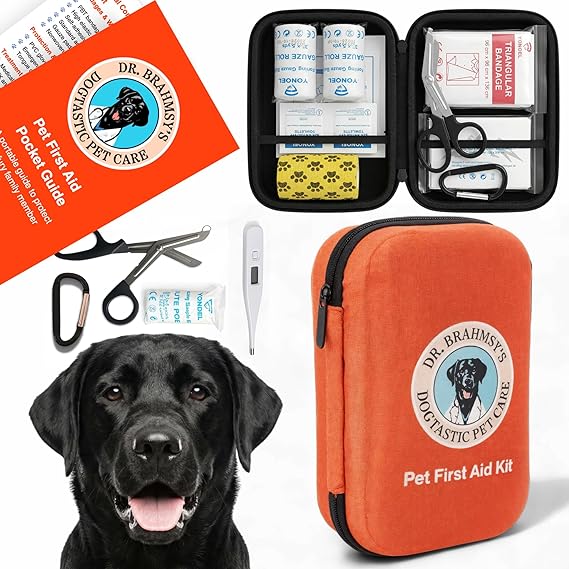
Be Ready If This Happens to Your Cats
You just read what milk and dairy products does to catss. The symptoms. The suffering. The $0–$800 vet bill. The question is: are you prepared if it happens again?
Get the Emergency Kit — Be Ready →What to Do Right Now
- 1 Stop feeding any dairy products.
- 2 Ensure your cat has access to fresh water to prevent dehydration.
- 3 Most cases resolve on their own within 24-48 hours.
- 4 Call your vet if diarrhea persists more than 24 hours or if your cat stops drinking.
- 5 If vomiting is frequent or severe, contact your vet.
- 6 Use cat-specific milk alternatives (lactose-free cat milk) if you want to give a treat.
Treatment and Recovery
Most cases are self-limiting and require only withholding dairy and ensuring hydration. For cats with severe diarrhea, probiotics and a bland diet may help. IV fluids are needed if dehydration develops. Pancreatitis from high-fat dairy requires veterinary treatment including pain management, anti-nausea medication, and IV fluids.
Estimated Cost
$0 – $800
💰 Vet bills like this can bankrupt a family. Pet insurance covers poisoning emergencies.
Compare Pet Insurance Plans →$0
minimum vet bill
A basic first aid kit costs a fraction of an emergency vet visit
Having basic first aid supplies and an emergency reference on hand is something most veterinary professionals recommend.
Get the Kit — →
Other Substances to Watch For
If your cats got into milk and dairy products, be aware of these related hazards that often appear in the same contexts:
Frequently Asked Questions
Can kittens drink cows milk?
Kittens should NOT drink cows milk. It does not have the right nutritional balance for kittens and can cause diarrhea that leads to dangerous dehydration. Use kitten milk replacer (KMR) specifically formulated for kittens.
What about lactose-free milk?
Lactose-free milk is safer and less likely to cause diarrhea, but it is not nutritionally necessary for cats. Small amounts as an occasional treat are generally fine.
Can cats eat cheese?
Hard cheeses (cheddar, parmesan) contain very little lactose and small amounts are usually tolerated. Soft cheeses and cream cheese contain more lactose and are more likely to cause issues. Keep portions tiny.
People Also Ask
Related Dangers
🛒 Recommended for Every Pet Owner

Sources & Citations
Toxicity data is based on published veterinary toxicology references. In an emergency, contact your veterinarian or nearest emergency vet clinic immediately.
📚 Sources & Methodology
Toxicity data compiled from the following veterinary toxicology databases:
- • ASPCA Animal Poison Control Center — case data and species-specific toxicity ratings
- • Pet Poison Helpline — dosage threshold data and symptom timelines
- • Merck Veterinary Manual — clinical treatment protocols
Weight-based severity thresholds are calculated using established veterinary toxicology formulas. All "toxic" and "non-toxic" classifications are based on peer-reviewed veterinary literature. Last reviewed: May 2026.
Medical Disclaimer: The information on this page is for educational purposes only and is not a substitute for professional veterinary advice. If you suspect your pet has been poisoned, contact your veterinarian or nearest emergency vet clinic immediately. This page was last reviewed on 2026-05-22.
Sable T. Thornwood
Pet Toxicity Researcher
Sable T. Thornwood has spent over a decade researching pet toxicity and companion animal safety, with a focus on common household substances, plants, and foods. Her research draws on veterinary toxicology databases, ASPCA case records, and peer-reviewed clinical literature to help pet owners make informed, timely decisions during potential poisoning events.
About Sable & PetToxCheck