
Is Blue-Green Algae (Cyanobacteria) Toxic to Dogs?
Blue-green algae blooms in ponds, lakes, and stagnant water produce potent neurotoxins and hepatotoxins that can kill a dog within hours. Just a few mouthfuls of contaminated water can be lethal. This is one of the most dangerous outdoor toxins your dog can encounter. If you suspect your dogs has ingested blue-green algae (cyanobacteria), contact your veterinarian or nearest emergency vet clinic immediately.
✓ You're doing the right thing by checking — Blue-Green Algae (Cyanobacteria) is toxic to dogs, and acting quickly can make a real difference. You did the right thing by looking this up.
If Your Pet May Have Ingested Something Toxic
Contact your veterinarian or nearest emergency vet clinic immediately. Do not wait for symptoms to appear — early intervention significantly improves outcomes.
| Toxic? | Severity | Time to Onset | Commonness | Urgency |
|---|---|---|---|---|
| Yes | Potentially Fatal | 15 minutes to 24 hours | Seasonal (summer/fall) | Immediate |
The Toxic Principle
The dangerous compound in Blue-Green Algae (Cyanobacteria) is Microcystins (hepatotoxins) and anatoxins (neurotoxins).
Cyanobacteria (blue-green algae) produce multiple deadly toxins. Microcystins cause massive liver necrosis — they inhibit protein phosphatases, leading to hepatocyte apoptosis and fatal liver failure within hours. Anatoxin-a acts as a potent nicotinic acetylcholine receptor agonist, causing sustained muscle contraction, seizures, and respiratory paralysis (death can occur within 20 minutes to hours). Cylindrospermopsin causes kidney and liver damage. The algae look like green paint or pea soup on the water surface and are most concentrated during warm, calm weather.
How Much Is Dangerous?
The risk depends on your dogs's weight and the amount ingested.
| Pet Weight | Dangerous Amount | Expected Severity |
|---|---|---|
| Any size dog | A few mouthfuls of contaminated water | Potentially Fatal |
| Any size dog | Licking algae off fur after swimming | Potentially Fatal |
| Any size dog | Eating dried algae crust on shore | Potentially Fatal |
| Any size dog | Walking near bloom (aerosol exposure) | Moderate |
Symptoms to Watch For
Symptoms of blue-green algae (cyanobacteria) poisoning in dogss typically progress through these stages:
Neurotoxin (Anatoxin) — Rapid
15-60 minutes- Muscle tremors
- Rigid paralysis
- Seizures
- Respiratory failure
- Death within 20 min to hours
Hepatotoxin (Microcystin) — Delayed
1-24 hours- Vomiting
- Diarrhea (possibly bloody)
- Weakness
- Jaundice
- Shock
Liver Failure
12-48 hours- Massive liver necrosis
- Bleeding disorders
- Hypoglycemia
- Encephalopathy
- Death

You just learned the symptoms. Now be ready for them.
The #1 regret pet owners have after an emergency? "I wish I'd been prepared."
You care enough to research this — that puts you ahead of most pet owners. But research without preparation is just worry. This guide covers exactly what to do in the first 15 minutes after poisoning — the window that determines whether your dogs lives or dies.
Get the First Aid Guide — Protect Your Dogs →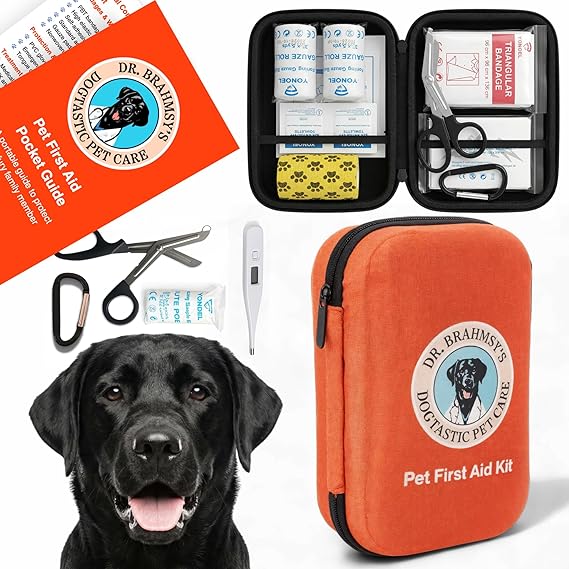
Be Ready If This Happens to Your Dogs
You just read what blue-green algae (cyanobacteria) does to dogss. The symptoms. The suffering. The $500–$8,000 vet bill. The question is: are you prepared if it happens again?
Get the Emergency Kit — Be Ready →What to Do Right Now
- 1 If your dog swam in or drank from water with a visible algae bloom, rinse them off IMMEDIATELY.
- 2 Call your veterinarian or emergency clinic — this is a life-or-death emergency.
- 3 Note the time of exposure and what symptoms you observe.
- 4 If neurotoxin exposure is suspected (tremors, seizures), every minute counts — get to a vet NOW.
- 5 Do NOT let your dog lick algae off their fur — this is a major route of poisoning.
- 6 Avoid all stagnant water with green scum, foam, or paint-like appearance during warm months.
Treatment and Recovery
For neurotoxin (anatoxin) exposure, immediate seizure control with benzodiazepines and muscle relaxants is essential. Respiratory support may be needed. For hepatotoxin (microcystin) exposure, aggressive IV fluids, liver protectants (N-acetylcysteine, sam-e, vitamin K), and supportive care are the mainstays. Blood transfusions may be needed for coagulopathy. Prognosis is guarded to poor for significant exposures, especially neurotoxin cases. Many dogs die despite aggressive treatment.
Estimated Cost
$500 – $8,000
💰 Vet bills like this can bankrupt a family. Pet insurance covers poisoning emergencies.
Compare Pet Insurance Plans →$500
minimum vet bill
A basic first aid kit costs a fraction of an emergency vet visit
Having basic first aid supplies and an emergency reference on hand is something most veterinary professionals recommend.
Get the Kit — →
Why Blue-Green Algae (Cyanobacteria) Is Dangerous for Dogs
Dogs are vulnerable to blue-green algae (cyanobacteria) because they metabolize Microcystins (hepatotoxins) and anatoxins (neurotoxins) differently than humans. Their bodies break down this compound much more slowly, allowing toxic levels to build up quickly. In severe cases, the damage can be irreversible without prompt veterinary treatment.
Cyanobacteria (blue-green algae) produce multiple deadly toxins. Microcystins cause massive liver necrosis — they inhibit protein phosphatases, leading to hepatocyte apoptosis and fatal liver failure within hours. Anatoxin-a acts as a potent nicotinic acetylcholine receptor agonist, causing sustained muscle contraction, seizures, and respiratory paralysis (death can occur within 20 minutes to hours). Cylindrospermopsin causes kidney and liver damage. The algae look like green paint or pea soup on the water surface and are most concentrated during warm, calm weather.
Other Substances to Watch For
If your dogs got into blue-green algae (cyanobacteria), be aware of these related hazards that often appear in the same contexts:
Expected Veterinary Costs
Based on typical emergency treatment for blue-green algae (cyanobacteria) toxicity in dogs, including:
- •Emergency exam and stabilization
- •Induction of vomiting and activated charcoal
- •IV fluid therapy and monitoring
- •Possible overnight hospitalization
Actual costs vary by location, clinic, and severity of the case. Emergency clinics typically charge more than daytime veterinary offices.
Frequently Asked Questions
How can I tell if water has blue-green algae?
Look for water that looks like pea soup, green paint, or has a thick green scum or foam on the surface. It may also look bluish-green or reddish-brown. If the water looks abnormal, keep your dog out. When in doubt, stay out.
Can blue-green algae kill a dog quickly?
Yes. Anatoxin-a poisoning can kill within 20 minutes to a few hours. Microcystin poisoning causes liver failure within 12-48 hours. Blue-green algae is considered one of the most acutely lethal toxins dogs can encounter.
Is it safe once the algae bloom goes away?
Not necessarily. Toxins can persist in the water and in dried crust on the shoreline for weeks after a visible bloom disappears. Avoid water that recently had a bloom.
People Also Ask
One more thing to check
Many dogs owners who worry about blue-green algae (cyanobacteria) also need to know about Is Chocolate Toxic to Dogs?. If your dogs had access to blue-green algae (cyanobacteria), they may have been exposed to other hazards too.
Related Dangers
🛒 Recommended for Every Pet Owner

Sources & Citations
Toxicity data is based on published veterinary toxicology references. In an emergency, contact your veterinarian or nearest emergency vet clinic immediately.
📚 Sources & Methodology
Toxicity data compiled from the following veterinary toxicology databases:
- • ASPCA Animal Poison Control Center — case data and species-specific toxicity ratings
- • Pet Poison Helpline — dosage threshold data and symptom timelines
- • Merck Veterinary Manual — clinical treatment protocols
Weight-based severity thresholds are calculated using established veterinary toxicology formulas. All "toxic" and "non-toxic" classifications are based on peer-reviewed veterinary literature. Last reviewed: May 2026.
Medical Disclaimer: The information on this page is for educational purposes only and is not a substitute for professional veterinary advice. If you suspect your pet has been poisoned, contact your veterinarian or nearest emergency vet clinic immediately. This page was last reviewed on 2026-05-22.
Sable T. Thornwood
Pet Toxicity Researcher
Sable T. Thornwood has spent over a decade researching pet toxicity and companion animal safety, with a focus on common household substances, plants, and foods. Her research draws on veterinary toxicology databases, ASPCA case records, and peer-reviewed clinical literature to help pet owners make informed, timely decisions during potential poisoning events.
About Sable & PetToxCheck