
Is Raw Salmon (Salmon Poisoning) Toxic to Dogs?
Raw or undercooked salmon, trout, and other Pacific Northwest fish can contain a parasite (Nanophyetus salmincola) that carries a deadly rickettsial organism. Salmon Poisoning Disease is fatal in 90% of untreated dogs. Cooking kills the parasite. If you suspect your dogs has ingested raw salmon (salmon poisoning), contact your veterinarian or nearest emergency vet clinic immediately.
✓ You're doing the right thing by checking — Raw Salmon (Salmon Poisoning) is toxic to dogs, and acting quickly can make a real difference. You did the right thing by looking this up.
If Your Pet May Have Ingested Something Toxic
Contact your veterinarian or nearest emergency vet clinic immediately. Do not wait for symptoms to appear — early intervention significantly improves outcomes.
| Toxic? | Severity | Time to Onset | Commonness | Urgency |
|---|---|---|---|---|
| Yes | Potentially Fatal | 5-7 days | Seasonal (Pacific Northwest) | Immediate |
The Toxic Principle
The dangerous compound in Raw Salmon (Salmon Poisoning) is Neorickettsia helminthoeca (rickettsial bacteria carried by Nanophyetus fluke).
Salmon Poisoning Disease is caused by Neorickettsia helminthoeca, a rickettsial organism transmitted through a fluke parasite (Nanophyetus salmincola) found in raw or undercooked salmon, trout, steelhead, and other anadromous fish from Pacific Northwest waters. The fluke attaches to the dogs intestine and releases the rickettsial organism, which spreads through the lymphatic system. The disease is NOT caused by the fish itself but by the parasite it carries. Freezing for 24 hours or cooking kills both the fluke and the bacteria.
How Much Is Dangerous?
The risk depends on your dogs's weight and the amount ingested.
| Pet Weight | Dangerous Amount | Expected Severity |
|---|---|---|
| Any size dog | Even a small bite of infected raw fish | Potentially Fatal |
| Any size dog | Licking fish blood or juices | Severe |
| Any size dog | Eating fish offal (intestines, eggs) | Potentially Fatal |
Symptoms to Watch For
Symptoms of raw salmon (salmon poisoning) poisoning in dogss typically progress through these stages:
Early Signs
Days 5-7- Persistent fever (103-107F)
- Loss of appetite
- Lethargy
- Swollen lymph nodes
- Weight loss
Progressive
Days 7-10- Severe vomiting
- Bloody diarrhea
- Dehydration
- Extreme weakness
- Nasal/eye discharge
Terminal
Days 10-14- Complete refusal to eat or drink
- Severe dehydration
- Organ failure
- Coma
- Death in 90% of untreated cases

You just learned the symptoms. Now be ready for them.
The #1 regret pet owners have after an emergency? "I wish I'd been prepared."
You care enough to research this — that puts you ahead of most pet owners. But research without preparation is just worry. This guide covers exactly what to do in the first 15 minutes after poisoning — the window that determines whether your dogs lives or dies.
Get the First Aid Guide — Protect Your Dogs →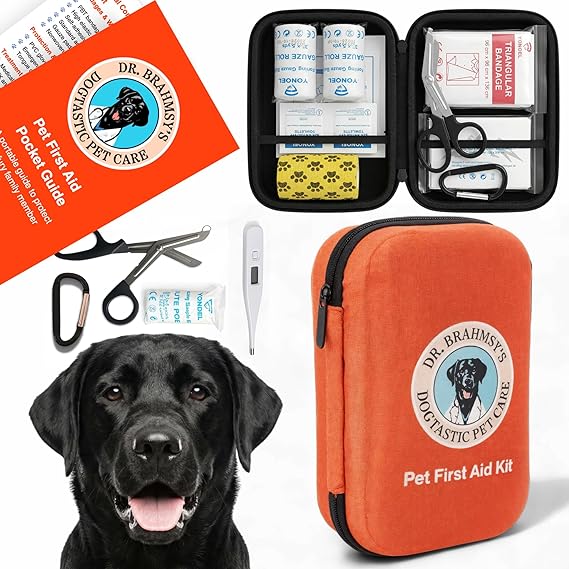
Be Ready If This Happens to Your Dogs
You just read what raw salmon (salmon poisoning) does to dogss. The symptoms. The suffering. The $300–$3,000 vet bill. The question is: are you prepared if it happens again?
Get the Emergency Kit — Be Ready →What to Do Right Now
- 1 If your dog ate raw salmon or trout, call your veterinarian IMMEDIATELY — even before symptoms appear.
- 2 Tell your vet about the raw fish exposure and that you are in or visited the Pacific Northwest.
- 3 There is NO home treatment — this disease requires veterinary antibiotics.
- 4 Do NOT wait for symptoms. By day 7, the disease is already progressing aggressively.
- 5 Keep any remaining fish for your vet to examine.
- 6 If caught early, treatment with doxycycline and a dewormer (praziquantel) is highly effective.
Treatment and Recovery
Treatment is highly effective when started early. The standard protocol is doxycycline (or tetracycline) antibiotics to kill the rickettsial organism, combined with praziquantel to kill the fluke parasite. Supportive care includes IV fluids, anti-nausea medication, and nutritional support. Most dogs show improvement within 48 hours of starting antibiotics. Without treatment, mortality is approximately 90%. Diagnosis is confirmed by finding fluke eggs in a fecal sample or through lymph node aspiration.
Estimated Cost
$300 – $3,000
💰 Vet bills like this can bankrupt a family. Pet insurance covers poisoning emergencies.
Compare Pet Insurance Plans →$300
minimum vet bill
A basic first aid kit costs a fraction of an emergency vet visit
Having basic first aid supplies and an emergency reference on hand is something most veterinary professionals recommend.
Get the Kit — →
Why Raw Salmon (Salmon Poisoning) Is Dangerous for Dogs
Dogs are vulnerable to raw salmon (salmon poisoning) because they metabolize Neorickettsia helminthoeca (rickettsial bacteria carried by Nanophyetus fluke) differently than humans. Their bodies break down this compound much more slowly, allowing toxic levels to build up quickly. In severe cases, the damage can be irreversible without prompt veterinary treatment.
Salmon Poisoning Disease is caused by Neorickettsia helminthoeca, a rickettsial organism transmitted through a fluke parasite (Nanophyetus salmincola) found in raw or undercooked salmon, trout, steelhead, and other anadromous fish from Pacific Northwest waters. The fluke attaches to the dogs intestine and releases the rickettsial organism, which spreads through the lymphatic system. The disease is NOT caused by the fish itself but by the parasite it carries. Freezing for 24 hours or cooking kills both the fluke and the bacteria.
Other Substances to Watch For
If your dogs got into raw salmon (salmon poisoning), be aware of these related hazards that often appear in the same contexts:
Expected Veterinary Costs
Based on typical emergency treatment for raw salmon (salmon poisoning) toxicity in dogs, including:
- •Emergency exam and stabilization
- •Induction of vomiting and activated charcoal
- •IV fluid therapy and monitoring
- •Possible overnight hospitalization
Actual costs vary by location, clinic, and severity of the case. Emergency clinics typically charge more than daytime veterinary offices.
Frequently Asked Questions
Can dogs eat cooked salmon?
Yes. Fully cooked salmon is safe and actually healthy for dogs — it is rich in omega-3 fatty acids. The parasite and bacteria are killed by cooking to 145F (63C) or freezing at -4F (-20C) for 24 hours.
Is salmon poisoning contagious to other dogs or humans?
No. Salmon Poisoning Disease is not contagious. It can only be transmitted by eating infected raw fish. Humans and other pets (cats are immune) cannot catch it from an infected dog.
What if my dog found a dead salmon on a riverbank?
Treat this as a medical emergency. Dead fish on riverbanks are a common source of infection. Call your vet immediately and mention potential salmon poisoning exposure.
People Also Ask
One more thing to check
Many dogs owners who worry about raw salmon (salmon poisoning) also need to know about Is Chocolate Toxic to Dogs?. If your dogs had access to raw salmon (salmon poisoning), they may have been exposed to other hazards too.
Related Dangers
🛒 Recommended for Every Pet Owner

Sources & Citations
Toxicity data is based on published veterinary toxicology references. In an emergency, contact your veterinarian or nearest emergency vet clinic immediately.
📚 Sources & Methodology
Toxicity data compiled from the following veterinary toxicology databases:
- • ASPCA Animal Poison Control Center — case data and species-specific toxicity ratings
- • Pet Poison Helpline — dosage threshold data and symptom timelines
- • Merck Veterinary Manual — clinical treatment protocols
Weight-based severity thresholds are calculated using established veterinary toxicology formulas. All "toxic" and "non-toxic" classifications are based on peer-reviewed veterinary literature. Last reviewed: May 2026.
Medical Disclaimer: The information on this page is for educational purposes only and is not a substitute for professional veterinary advice. If you suspect your pet has been poisoned, contact your veterinarian or nearest emergency vet clinic immediately. This page was last reviewed on 2026-05-22.
Sable T. Thornwood
Pet Toxicity Researcher
Sable T. Thornwood has spent over a decade researching pet toxicity and companion animal safety, with a focus on common household substances, plants, and foods. Her research draws on veterinary toxicology databases, ASPCA case records, and peer-reviewed clinical literature to help pet owners make informed, timely decisions during potential poisoning events.
About Sable & PetToxCheck