
Is Silica Gel Packets (Desiccant Packets) Toxic to Dogs?
Silica gel packets found in shoe boxes, food packaging, and medication bottles are generally low toxicity, but can cause gastrointestinal upset. The main danger is if the packet contains iron oxide (indicator beads that change color) or if the packet itself causes a physical obstruction.
✓ You were right to verify — better safe than sorry when it comes to your dogs. Silica Gel Packets (Desiccant Packets) is not considered toxic, but always monitor for any unusual behavior.
If Your Pet May Have Ingested Something Toxic
Contact your veterinarian or nearest emergency vet clinic immediately. Do not wait for symptoms to appear — early intervention significantly improves outcomes.
| Toxic? | Severity | Time to Onset | Commonness | Urgency |
|---|---|---|---|---|
| No | Mild | 1-6 hours | Common | Low |
The Toxic Principle
The dangerous compound in Silica Gel Packets (Desiccant Packets) is Silicon dioxide (low toxicity), iron oxide (indicator beads), physical obstruction risk.
Silica gel (silicon dioxide) is technically non-toxic — it is the same compound as sand. The packets absorb moisture and are commonly found in product packaging. However, some silica gel packets contain indicator beads (cobalt chloride or methyl violet) that change color when saturated. These can be mildly toxic in large amounts. The primary risks are: (1) the packet itself causing choking or intestinal obstruction, (2) GI upset from the absorbent nature of the silica drawing moisture into the gut, and (3) iron toxicity from indicator beads in large ingestions.
How Much Is Dangerous?
The risk depends on your dogs's weight and the amount ingested.
| Pet Weight | Dangerous Amount | Expected Severity |
|---|---|---|
| Small dog (under 10 lbs / 4.5 kg) | 1-2 packets | Mild |
| Medium to large dog | 1-2 packets | Mild |
| Any size dog | Multiple packets or large industrial desiccant | Moderate |
| Small dog | Swallowing packet whole (obstruction risk) | Moderate |
Symptoms to Watch For
Symptoms of silica gel packets (desiccant packets) poisoning in dogss typically progress through these stages:
Mild
1-6 hours- Mild vomiting
- Diarrhea
- Loss of appetite
- Mild abdominal discomfort
Moderate
6-24 hours- Persistent vomiting
- Dehydration
- Lethargy
- Constipation (if obstruction)
Severe (obstruction)
1-3 days- Complete obstruction
- Abdominal pain
- Fever
- Perforation risk

You just learned the symptoms. Now be ready for them.
The #1 regret pet owners have after an emergency? "I wish I'd been prepared."
You care enough to research this — that puts you ahead of most pet owners. But research without preparation is just worry. This guide covers exactly what to do in the first 15 minutes after poisoning — the window that determines whether your dogs lives or dies.
Get the First Aid Guide — Protect Your Dogs →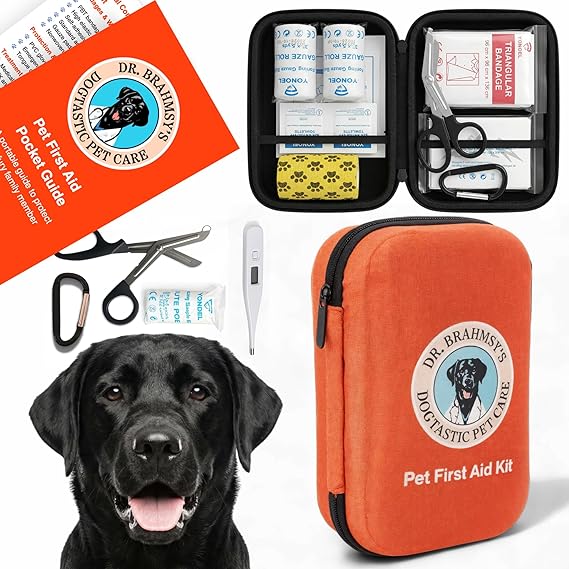
Be Ready If This Happens to Your Dogs
You just read what silica gel packets (desiccant packets) does to dogss. The symptoms. The suffering. The $0–$2,000 vet bill. The question is: are you prepared if it happens again?
Get the Emergency Kit — Be Ready →What to Do Right Now
- 1 Check what type of silica gel packet was ingested — look at the packaging label.
- 2 Call your vet or pet poison helpline for guidance specific to the product.
- 3 Most standard silica gel packets are low toxicity and cause only mild GI upset.
- 4 Monitor your dog for vomiting, diarrhea, or loss of appetite.
- 5 If your dog swallowed the packet whole, watch for signs of obstruction.
- 6 Keep all silica gel packets out of reach — they often fall out of packaging unnoticed.
Treatment and Recovery
Most cases require no treatment beyond monitoring. For dogs that swallowed packets whole, X-rays may be taken to locate the packet and ensure it is passing through the GI tract. IV fluids may be needed if vomiting causes dehydration. Surgery is rarely needed but may be required if the packet causes an obstruction that does not resolve.
Estimated Cost
$0 – $2,000
💰 Vet bills like this can bankrupt a family. Pet insurance covers poisoning emergencies.
Compare Pet Insurance Plans →$0
minimum vet bill
A basic first aid kit costs a fraction of an emergency vet visit
Having basic first aid supplies and an emergency reference on hand is something most veterinary professionals recommend.
Get the Kit — →
Other Substances to Watch For
If your dogs got into silica gel packets (desiccant packets), be aware of these related hazards that often appear in the same contexts:
Frequently Asked Questions
Are silica gel packets toxic to dogs?
Silica gel itself is considered non-toxic. The beads are made of silicon dioxide (essentially sand). However, the packet can cause GI upset or obstruction, and some indicator beads are mildly toxic. Always call your vet for guidance.
What does DO NOT EAT mean on silica packets?
The warning is primarily because silica gel is a choking hazard and can cause GI obstruction, not because it is highly poisonous. The warning is required by law for non-food items in packaging.
My dog ate a silica packet — what should I do?
Call your veterinarian for guidance. Silica gel itself is generally nontoxic, but the packet can cause a choking hazard or intestinal blockage if swallowed whole. Do not try to make your dog vomit — the packet could get stuck on the way back up.
People Also Ask
Related Dangers
🛒 Recommended for Every Pet Owner

Sources & Citations
Toxicity data is based on published veterinary toxicology references. In an emergency, contact your veterinarian or nearest emergency vet clinic immediately.
📚 Sources & Methodology
Toxicity data compiled from the following veterinary toxicology databases:
- • ASPCA Animal Poison Control Center — case data and species-specific toxicity ratings
- • Pet Poison Helpline — dosage threshold data and symptom timelines
- • Merck Veterinary Manual — clinical treatment protocols
Weight-based severity thresholds are calculated using established veterinary toxicology formulas. All "toxic" and "non-toxic" classifications are based on peer-reviewed veterinary literature. Last reviewed: May 2026.
Medical Disclaimer: The information on this page is for educational purposes only and is not a substitute for professional veterinary advice. If you suspect your pet has been poisoned, contact your veterinarian or nearest emergency vet clinic immediately. This page was last reviewed on 2026-05-22.
Sable T. Thornwood
Pet Toxicity Researcher
Sable T. Thornwood has spent over a decade researching pet toxicity and companion animal safety, with a focus on common household substances, plants, and foods. Her research draws on veterinary toxicology databases, ASPCA case records, and peer-reviewed clinical literature to help pet owners make informed, timely decisions during potential poisoning events.
About Sable & PetToxCheck